Protecting penguins
Copy isn’t available in this browser. You can share the address from your browser’s address bar.
Healthy oceans and safe shores are part of the same story.
Different penguins, different pressures
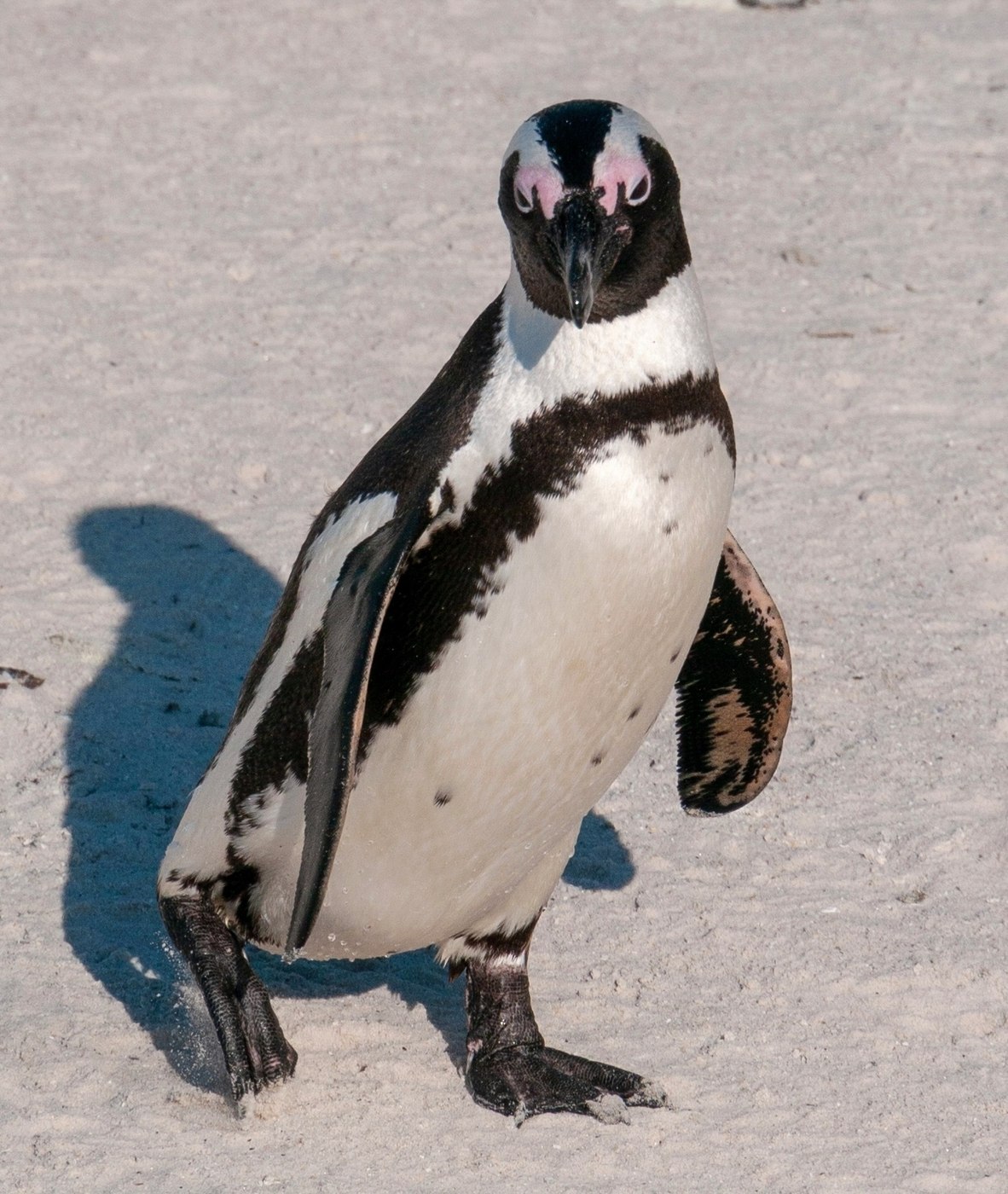
There is no single conservation story for all penguins. A change in sea ice can affect an Antarctic breeder, while a loss of nearby fish may affect a coastal colony in southern Africa. Pollution, fishing interactions, introduced predators, and disturbance also matter. Understanding the local situation is essential.
Protecting the whole habitat
A protected nesting site is only one part of the picture. Birds need productive feeding areas and safe routes between land and sea. Conservation work can include protecting colonies, restoring coastal habitat, reducing fisheries bycatch, and planning marine protection around important feeding grounds.
What responsible visitors can do
Use reputable wildlife operators and follow local viewing rules. Stay back from nests, keep routes to the water open, do not feed wildlife, and avoid bringing pets into colony areas. Supporting evidence-based conservation organizations and reducing waste are practical ways to help.
Keeping information current
Population estimates and conservation categories can change as new evidence becomes available. This wiki avoids presenting a single undated population figure as a permanent fact. Follow the sources below for updated assessments and ongoing conservation work.
Sources & further reading
This is an introductory guide. Follow these references for research, detailed species information, and current assessments.
BirdLife International — penguin conservation ↗ IUCN Red List — current species assessments ↗ SANCCOB — seabird conservation in southern Africa ↗